One system, many products.
I built the design system behind Kuda's core banking tools, cutting design-to-development handoff time by 55%.
Why this needed to exist.
Redesign v1 for scability, efficiency and usability, while also creating a design system for future products.
The problem
Kuda's internal core banking tools had been built quickly, with no shared design system and no consistent UI. Every new screen took longer to design and build, and the product was getting harder to scale and maintain.
The opportunity
redesign v1 for scalability, efficiency and usability, and create a design system the next products could start from.
What I owned.
I owned the work end to end, from business goals to a development-ready system:
System strategy: defined what to standardise first, based on user interviews and workflow gaps
Component design: visual direction, style guide and high-fidelity prototypes
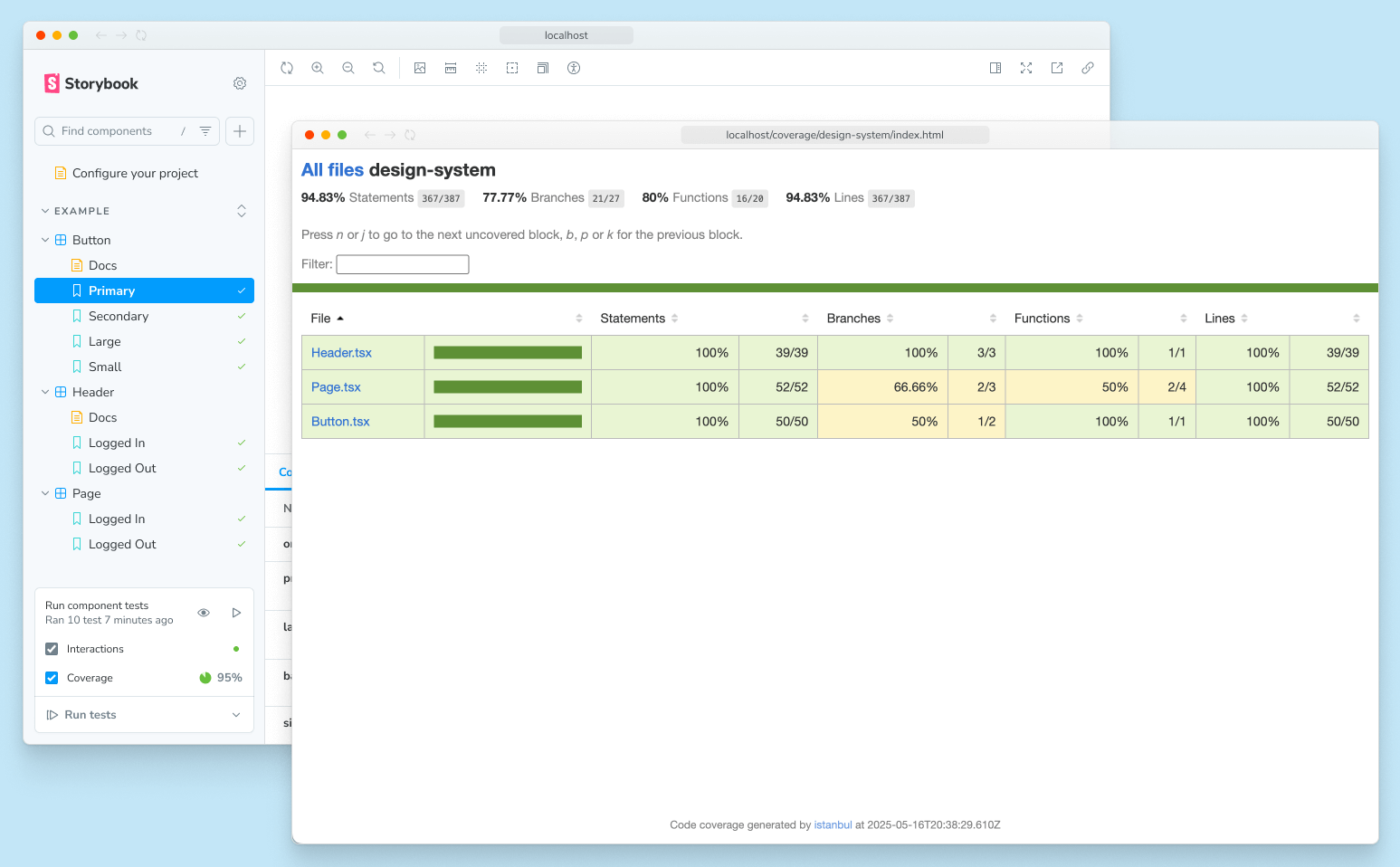
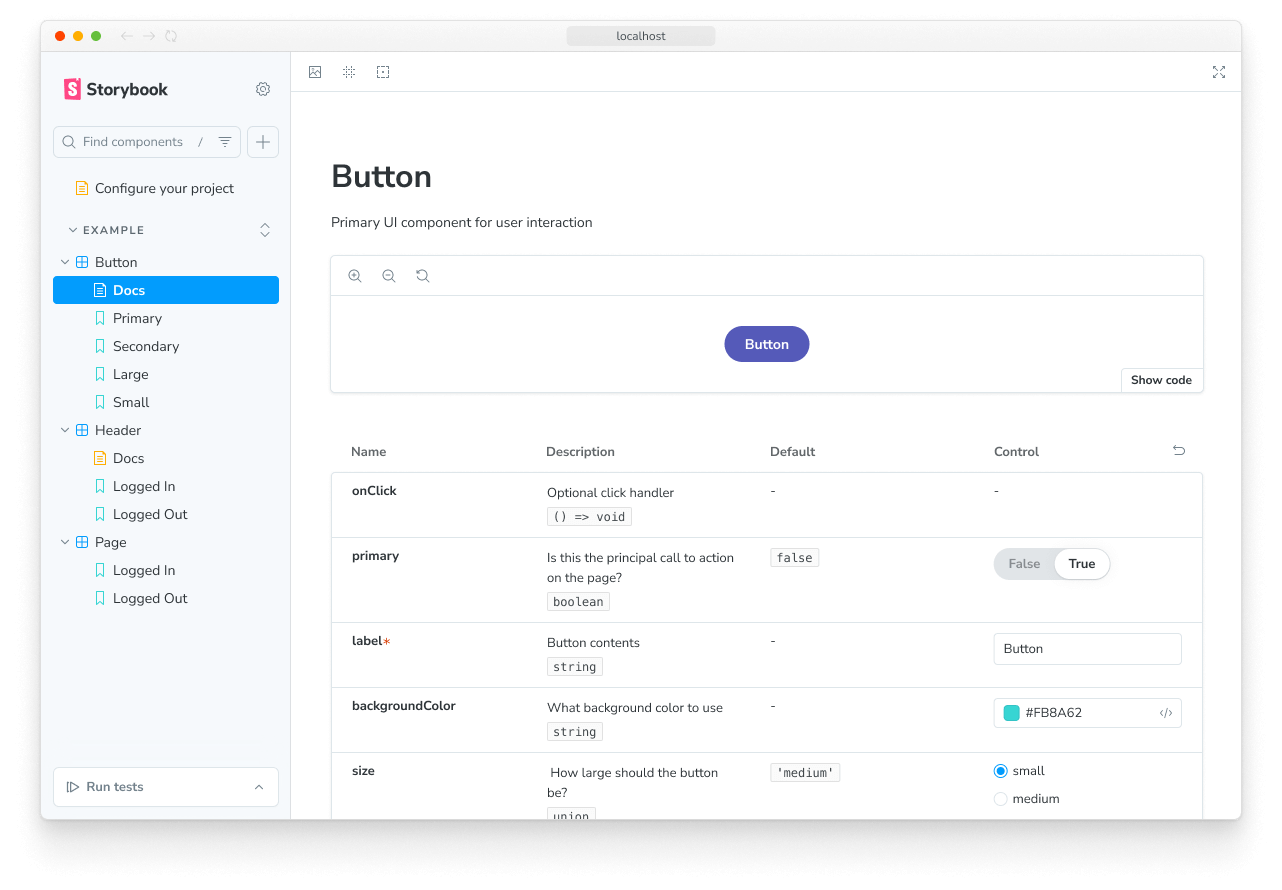
Documentation: specs and usage guidance in Figma and Storybook
Design QA: checked builds against the system before release
From scattered patterns to shared principles.
I audited all functional screens across the existing tools and found inconsistent versions of e.g. data-tables, data forms, font usage etc. I interviewed respected users in roles such as operations, support, compliance and heard the same needs repeatedly: Filtering on data-table for report, flexiility in filling data forms, switching between FE and BE features.
Some screens and data are simplified to respect confidentiality. The workflow, design decisions and outcome descriptions reflect the project at a level that can be shared publicly.
.png)
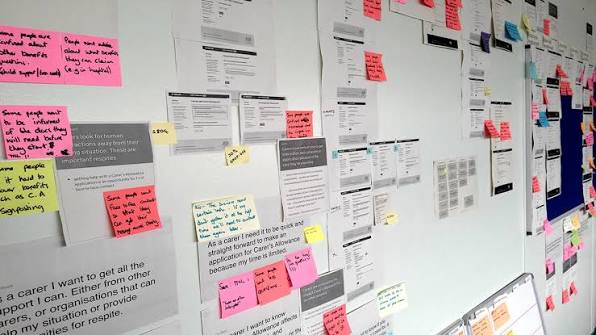
Designing the system behind the screens.
“User feedback decided what I built first. Recurring needs and workflow gaps showed which foundations, components and patterns to standardise, document and govern. ”
"I kept those decisions visible in Figma and Storybook so designers and developers could see the reasoning and intended use, which helped adoption."
Iterations before the final system.
Note, this is a mockup of storybook not the actual. Due to confidentiality, most details have been hidden..
A system teams could actually use.
The system includes 20 tokens / 0ver 50+ components / 6+ patterns, documented in Figma and Storybook with usage guidance. The developer can pick on a component directly with the naming and annotations tied to it.
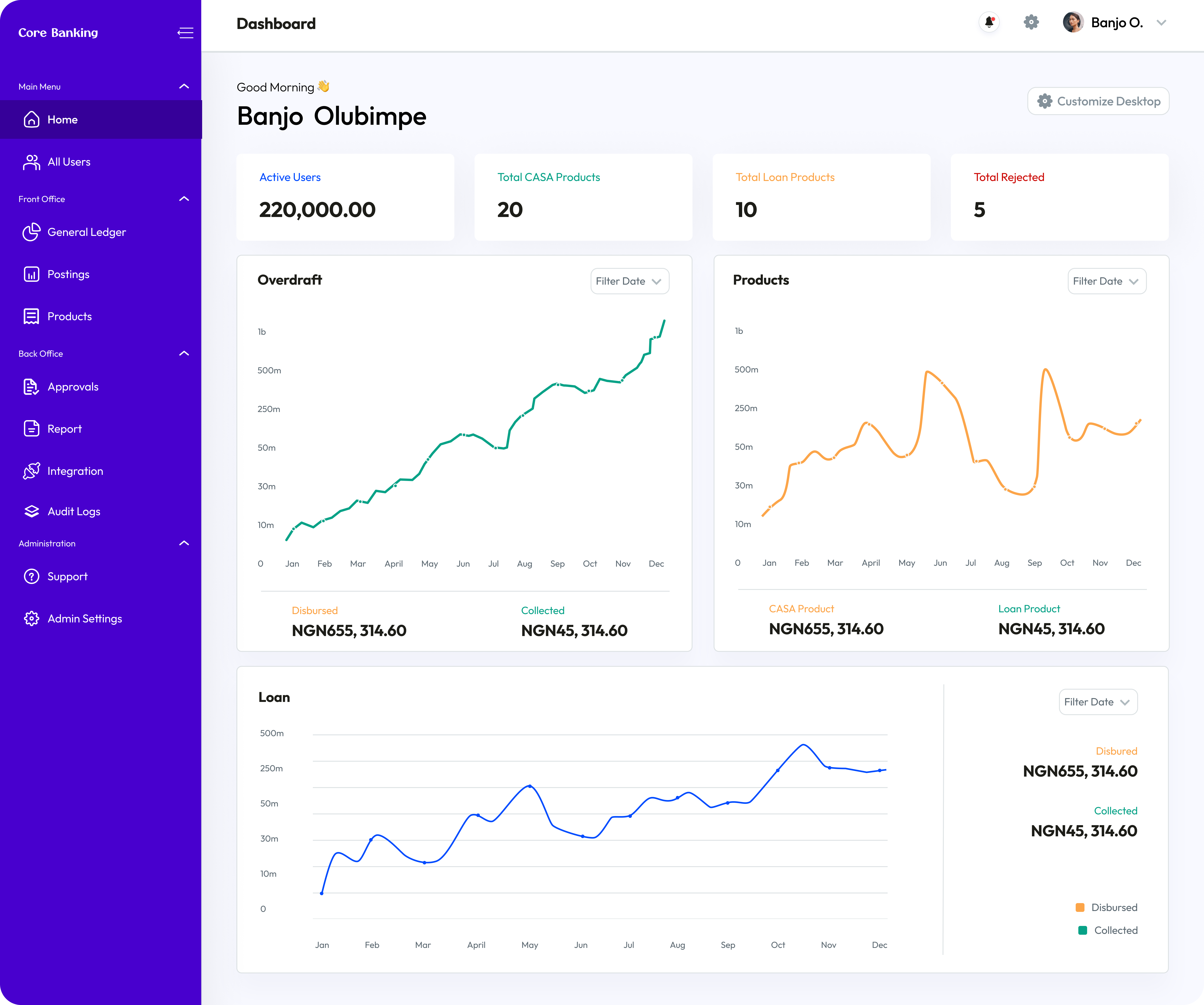
What changed.
What I would carry forward.
Building Core Banking Product V2 exposed data deduplication problems that affected key flows. Several workflows had to be refactored after I aligned with internal users and stakeholders. I now identify data and technical dependencies earlier, validate workflows with users and stakeholders before building, and stay flexible as new insights arrive.