Designing for adoption.
End-to-end mobile product design for Pakam and Pakam Recycler, balancing usability, product clarity and a consistent mobile experience.
What users needed to accomplish.
Pakam uses technology to connect household waste to waste companies in real time, with pickups scheduled from a mobile app.
User need
Individuals, households or businesses no longer had to fill in online forms and wait for a company to call back with a quote.
Product goal
The focus was to make waste pickup easier and give housing communities a way to report basic issues. According to the stakeholders, the idea began with a need to cut waste disposal problems by aiming for zero waste and stopping illegal dumping.
Finding the friction.
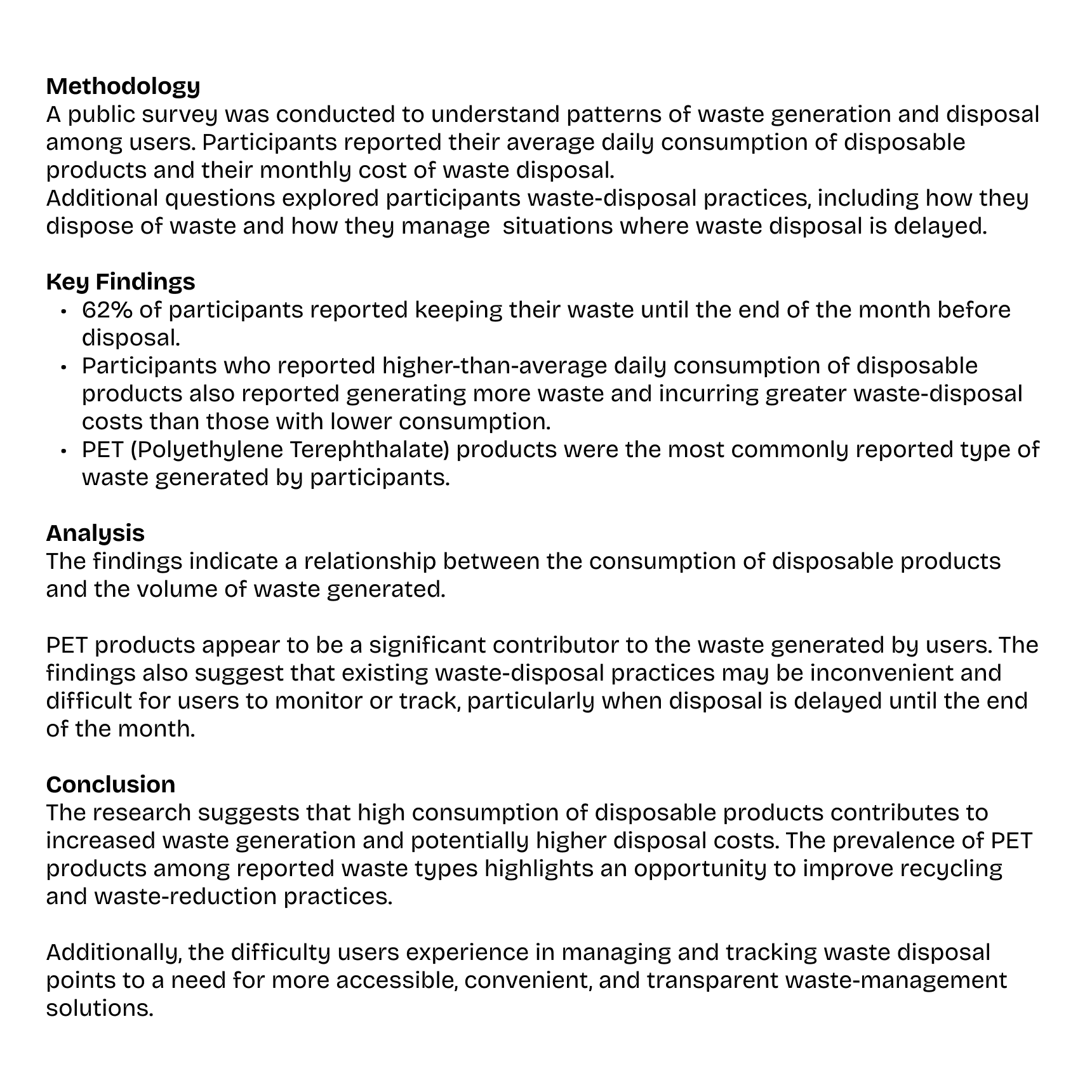
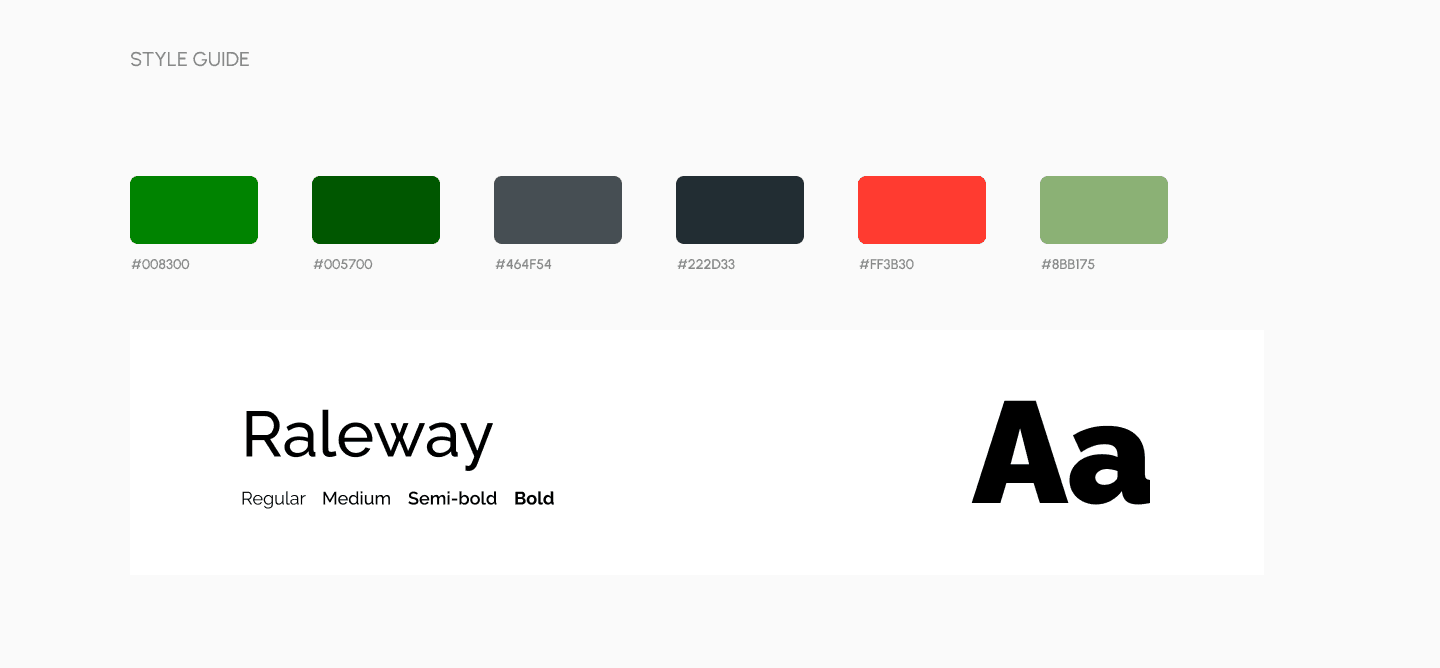
From intent to action.
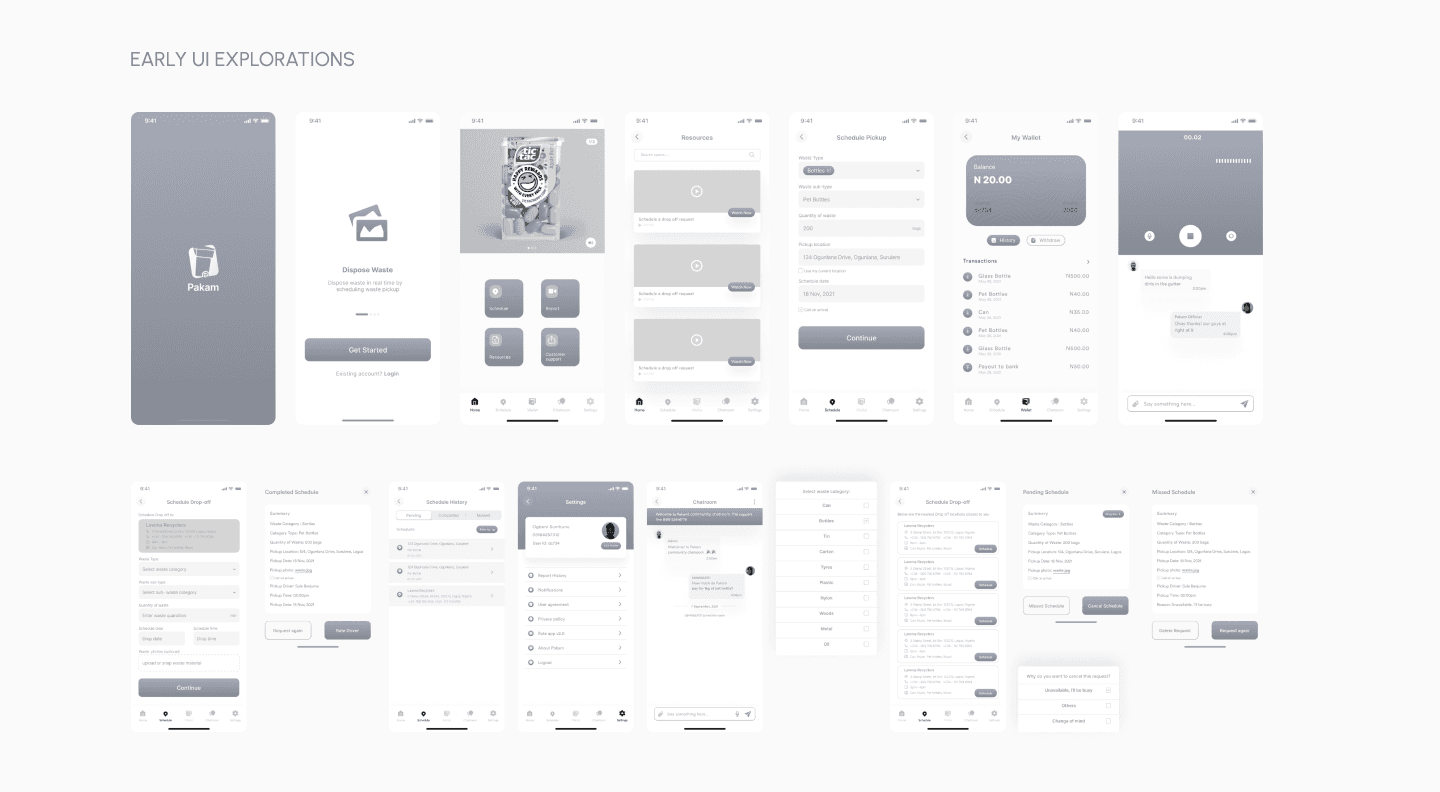
Multiple directions, one clearer product.
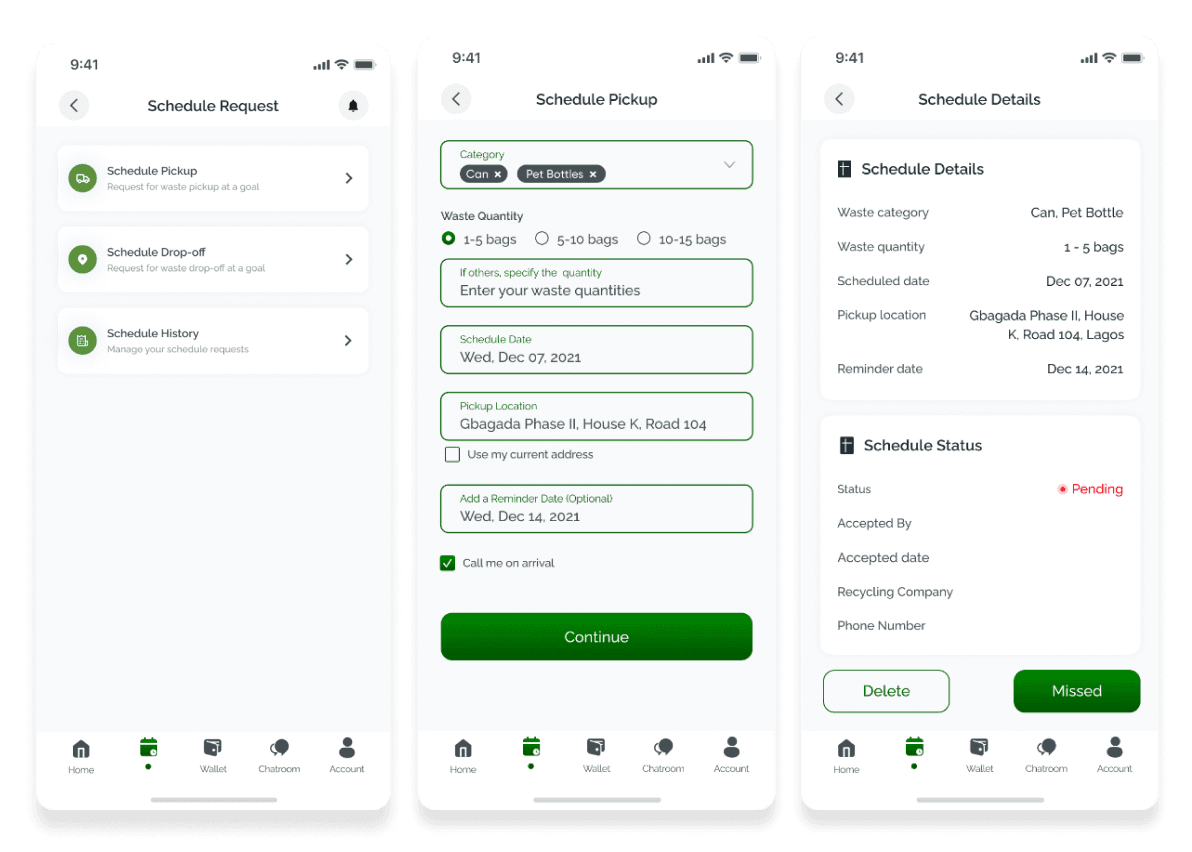
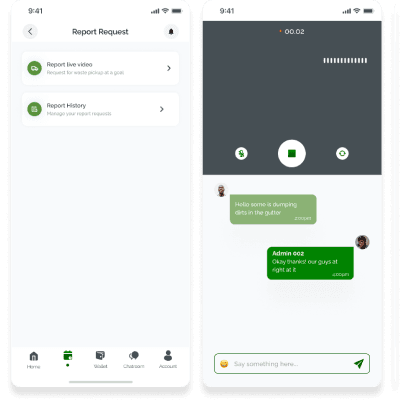
A mobile experience built around the user's next action.
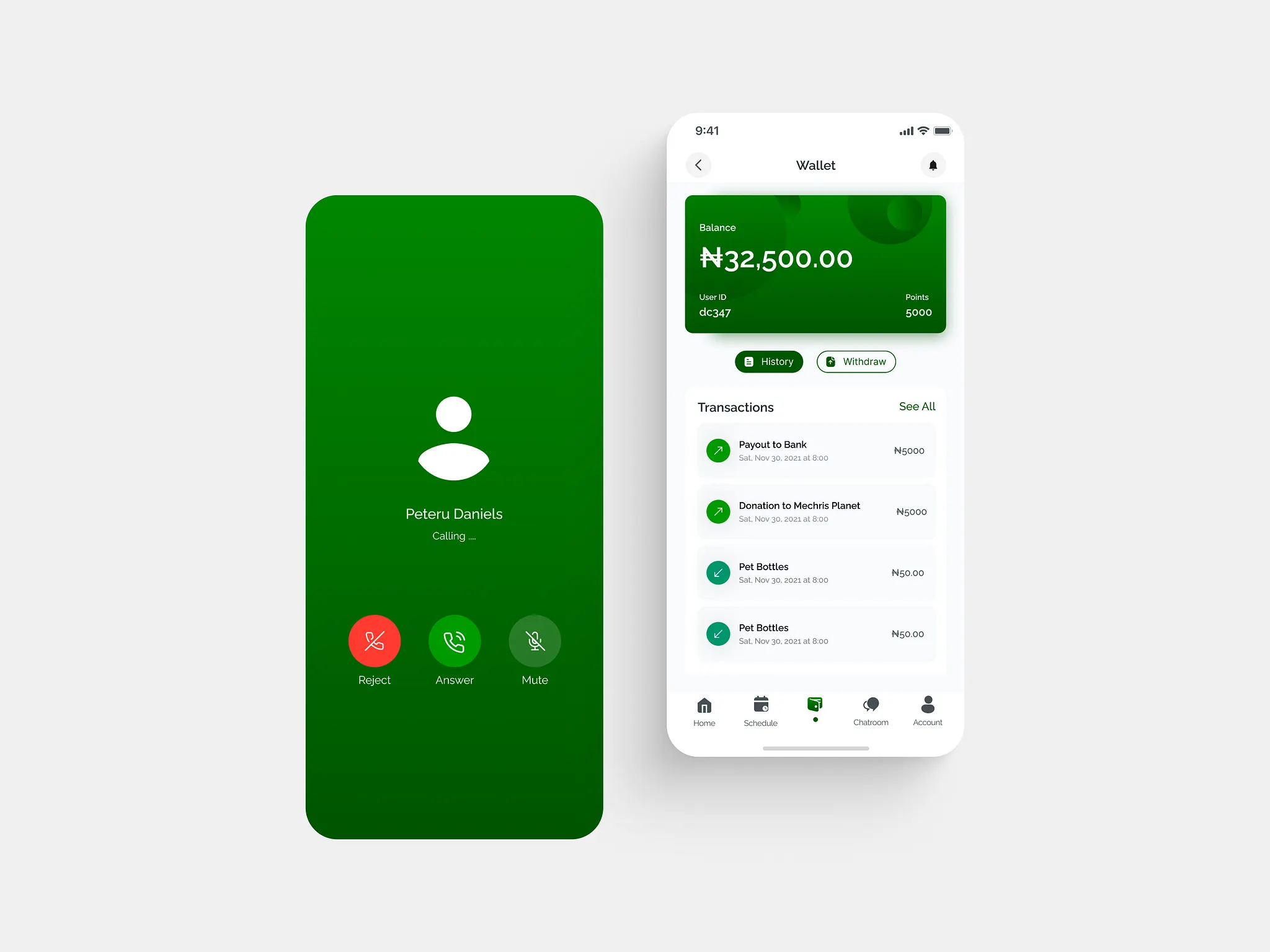
What changed after testing.
“Users struggled with the initial onboarding process and successfully completing a waste pickup request. We learned that simplifying the steps and providing clearer instructions and categorizing the waste types significantly improved the user experience.”
“Also, the waste collection process was improved by providing more frequent updates and better communication. as a result of geo-targeting”
What we achieved
What we plan to improve on next.
We learned that having direct communication channels with users would significantly enhance the product development process compared to a survey form and would love to explore that for the next iteration.